
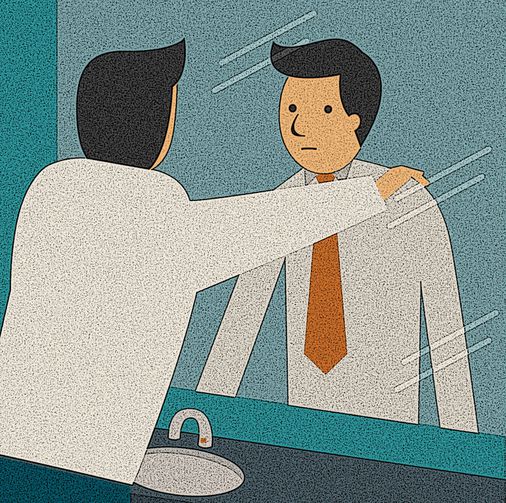
The way you treat yourself reflects directly on your leadership and how you interact with others.
Introduction: In the realm of school leadership, self-compassion is often overlooked. Yet, it plays a crucial role in how leaders treat their staff, students, and the entire school community. Over time, the kindness—or lack thereof—that leaders extend to themselves inevitably impacts their interactions with others.
Are you looking to change the way school leaders treat others? Start by focusing on their self-compassion. Here’s why it matters:
When school leaders practice self-kindness, it creates a ripple effect across their environment. Leaders who are compassionate towards themselves are more likely to:
At [Your Organization Name], we use Courtney Bigony and Scott Barry Kaufman’s self-compassion construct from the #HumanPotentialScale to assess how our programs influence this critical aspect of leadership. By measuring self-compassion, we can track the effectiveness of interventions aimed at promoting a positive school culture.
Self-compassion isn’t just a feel-good concept—it’s a transformative leadership strategy. Here’s how to nurture it:
We recently concluded a 9-month intervention with East Windsor Regional School District under the leadership of Mark Daniels. The results were profound, highlighting the importance of self-compassion in effective school leadership. This work was made possible with the collaboration of dedicated leaders across the U.S., including Trecia Borgo (Davis), ACC MA MAPP, Laura Blank, SPHR, and Joshua Steinfeldt, MAPP, PCC.
Self-compassion is a journey, and it starts with small, intentional changes in how you treat yourself. As a school leader, how are you fostering self-compassion in your daily practice?
Meta Description: “Discover why self-compassion is essential for school leaders. Learn practical strategies for improving self-kindness and fostering a positive school culture.”
Download the 2025 Collective Impact Report to see the data-backed strategy that reduced Turnover Intentions by 13.20% and dramatically improved Psychological Safety in 10 school districts.